



ตัวเลือกบรรจุภัณฑ์หลอดสกินแคร์ที่ดีที่สุดสำหรับผลิตภัณฑ์ผิวแพ้ง่าย

เราเป็นโรงงานผลิตบรรจุภัณฑ์เครื่องสำอางแบบครบวงจร ที่มีประสบการณ์ยาวนานกว่า 20 ปีในการผลิตหลอดเครื่องสำอางแบบสั่งทำพิเศษ เช่น หลอดบีบ หลอด ABL หลอด PBL หลอดปั๊มไร้ลม หลอดลิปกลอส และหลอดบำรุงผิว พีซีอาร์ (รีไซเคิลจากวัสดุเหลือใช้หลังการบริโภค) ) หลอด เป็นต้น
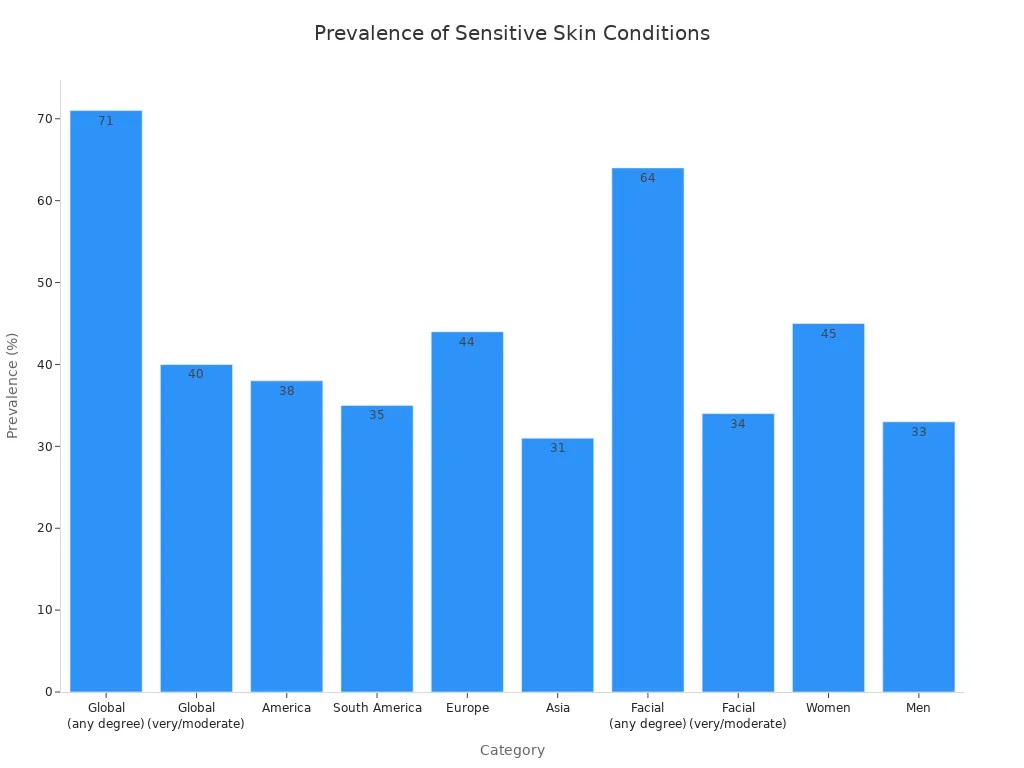
ผิวของคุณสมควรได้รับบรรจุภัณฑ์ที่ปกป้องผิว ข้อมูลล่าสุดจากทั่วโลกเผยให้เห็นว่าปัญหาผิวแพ้ง่ายนั้นแพร่หลายมากเพียงใด:
|
หมวดหมู่ |
อัตราการแพร่ระบาด (%) |
|---|---|
|
ระดับโลก (ทุกระดับปริญญา) |
71 |
|
ทรีทเมนต์ใบหน้า (ทุกระดับ) |
64 |
|
ผู้หญิง |
45 |
|
ยุโรป |
44 |
สำหรับผลิตภัณฑ์บำรุงผิวที่บอบบาง บรรจุภัณฑ์ที่ดีที่สุดควรใช้วัสดุเฉื่อย เช่น โพลีโพรพีลีนหรือโพลีเอทิลีนหลอดผลิตภัณฑ์บำรุงผิวแบบสั่งทำพิเศษป้องกันการปนเปื้อนของสารเคมี บรรจุภัณฑ์หลอดบีบสำหรับเครื่องสำอางที่ทำจาก LDPE หรืออลูมิเนียมเป็นทางเลือกที่เชื่อถือได้ การเลือกหลอดที่เหมาะสมสำหรับบรรจุภัณฑ์เครื่องสำอางของคุณจะช่วยปกป้องสูตรผลิตภัณฑ์และสร้างความสะดวกสบายให้กับลูกค้าของคุณ ลิสซงเข้าใจถึงความรับผิดชอบนี้อย่างลึกซึ้ง
ประเด็นสำคัญ
- เลือกบรรจุภัณฑ์ที่ทำจากวัสดุเฉื่อย เช่น โพลีโพรพีลีนหรือโพลีเอทิลีน เพื่อป้องกันไม่ให้สารเคมีที่เป็นอันตรายปนเปื้อนลงในผลิตภัณฑ์ของคุณ
- หลอดบรรจุแบบไร้อากาศช่วยป้องกันออกซิเจนและสิ่งปนเปื้อน ลดความจำเป็นในการใช้สารกันบูด และยืดอายุการเก็บรักษา
- ท่อ LDPE มีความยืดหยุ่นและปลอดภัยสำหรับผลิตภัณฑ์ที่มีน้ำหนักเบา ในขณะที่ท่ออะลูมิเนียมให้การปกป้องสูงสุดจากแสงและออกซิเจน
- เลือกบรรจุภัณฑ์ให้เหมาะสมกับเนื้อสัมผัสและความต้องการในการเก็บรักษาของผลิตภัณฑ์ เพื่อให้มั่นใจได้ถึงความคงตัวและความสะดวกสบายในการใช้งาน
- เลือกใช้บรรจุภัณฑ์ที่รีไซเคิลได้และเป็นมิตรต่อสิ่งแวดล้อม เพื่อปกป้องทั้งผิวบอบบางและสิ่งแวดล้อม
เหตุใดบรรจุภัณฑ์จึงมีความสำคัญสำหรับผลิตภัณฑ์สำหรับผิวแพ้ง่าย
ผิวบอบบางของคุณจะตอบสนองต่อสิ่งที่สัมผัส—รวมถึงสิ่งที่สัมผัสผลิตภัณฑ์ของคุณก่อนที่จะมาถึงมือคุณ บรรจุภัณฑ์ที่คุณเลือกมีบทบาทสำคัญในการปกป้องสูตรผลิตภัณฑ์และสุขภาพผิวของคุณ วัสดุบรรจุภัณฑ์ทั่วไปหลายชนิดมีสารเคมีที่สามารถซึมเข้าสู่ผลิตภัณฑ์บำรุงผิวของคุณได้เมื่อเวลาผ่านไป
ความเสี่ยงจากการชะล้างทางเคมี
บรรจุภัณฑ์พลาสติกมักมีสารเติมแต่งที่ไม่ยึดติดกับวัสดุด้วยพันธะทางเคมี สาร BPA และสารกลุ่มพทาเลตจะค่อยๆ ละลายออกมา โดยเฉพาะเมื่อสัมผัสกับความร้อน แสงยูวี สารที่เป็นกรดหรือไขมัน และการสึกหรอ สารกลุ่มพทาเลตที่พบได้ทั่วไปในผลิตภัณฑ์สำหรับผู้บริโภค ได้แก่ DEHP, DBP, DEP และ DINP สารเหล่านี้เป็นสารก่อกวนระบบต่อมไร้ท่อที่รบกวนฮอร์โมนในร่างกาย
บรรจุภัณฑ์เครื่องสำอางพลาสติกทั่วไปแบ่งออกเป็นสองประเภท ได้แก่ พลาสติกพีวีซีที่มีสารพทาเลต และพลาสติกโพลีคาร์บอเนตที่มีสารบิสฟีนอลเอ (BPA) ซึ่งทั้งสองชนิดเป็นสารที่รบกวนระบบต่อมไร้ท่อ ความเสี่ยงในการปนเปื้อนจะสูงขึ้นในเครื่องสำอาง เนื่องจากน้ำมันและตัวทำละลายในผลิตภัณฑ์จะทำให้โครงสร้างของพลาสติกเสื่อมลงเมื่อเวลาผ่านไป ทำให้สารพทาเลตและ BPA สามารถซึมเข้าสู่สูตรได้ มีการศึกษาพบสารเคมีประมาณ 80 ชนิดที่ "น่าเป็นห่วงอย่างยิ่ง" ซึ่งเชื่อมโยงกับโรคมะเร็งบางชนิดและความผิดปกติทางพัฒนาการ การสัมผัสสารเหล่านี้ยังอาจส่งผลให้เกิดโรคอ้วน โรคเบาหวาน และโรคหัวใจ โดยผลกระทบจะสะสมมากขึ้นเมื่อเวลาผ่านไป
ความร้อน เวลา ความเป็นกรด และปริมาณไขมันในผลิตภัณฑ์ สามารถเร่งการละลายของสารเคมีจากบรรจุภัณฑ์ลงสู่ผลิตภัณฑ์ได้ ข่าวดีก็คือ ผลกระทบต่อสุขภาพบางอย่างสามารถแก้ไขได้โดยการลดการสัมผัสสารเคมี สาร BPA และสารพทาเลตสามารถขับออกจากร่างกายได้ภายในไม่กี่วัน ในขณะที่ระดับฮอร์โมนจะเปลี่ยนแปลงภายในไม่กี่สัปดาห์ การเลือกใช้หลอดบรรจุภัณฑ์สำหรับผลิตภัณฑ์ดูแลผิวที่ทำจากวัสดุเฉื่อยจะช่วยขจัดความเสี่ยงนี้ได้อย่างสมบูรณ์
ภัยคุกคามจากการปนเปื้อนและการออกซิเดชัน
การสัมผัสกับออกซิเจนจะกระตุ้นปฏิกิริยาออกซิเดชันที่ทำลายความเสถียรของสารต้านอนุมูลอิสระที่ละลายในไขมัน ทำให้เกิดการเสื่อมสภาพและสูญเสียประสิทธิภาพ ความเครียดจากออกซิเดชันนี้สามารถลดปริมาณสารต้านอนุมูลอิสระ ทำให้เกิดอนุมูลอิสระโจมตีส่วนประกอบอื่นๆ เช่น น้ำมัน สารทำให้เกิดอิมัลชัน หรือสารกันเสีย ซึ่งอาจทำให้กลิ่นหรือสีของผลิตภัณฑ์เปลี่ยนแปลงไป วิตามินซีมีความไม่เสถียรสูงและเสื่อมสภาพเมื่อสัมผัสกับออกซิเจน แสง ความร้อน และสภาวะการผสมที่ไม่เหมาะสม เมื่อเกิดการออกซิเดชันแล้ว เปอร์เซ็นต์ที่ระบุบนฉลากจะไม่มีความหมายอีกต่อไป เพราะส่วนผสมนั้นจะไม่ให้ประโยชน์ตามที่คุณคาดหวัง
การออกแบบบรรจุภัณฑ์ยังมีผลต่อความปลอดภัยทางจุลชีววิทยาด้วย ขวดปากกว้างและขวดเปิดเพิ่มความเสี่ยงต่อการปนเปื้อนของจุลินทรีย์อย่างมาก เพราะทำให้มีพื้นที่ผิวสัมผัสกับสภาพแวดล้อมที่ชื้นและปนเปื้อนมากขึ้น ผลที่ตามมา ได้แก่ การระคายเคืองผิวหนัง ผื่นแพ้สัมผัส และการติดเชื้อ รวมถึงการเน่าเสียของผลิตภัณฑ์ บรรจุภัณฑ์หลอดบีบเครื่องสำอางแบบไร้อากาศช่วยป้องกันการสัมผัสกับอากาศซ้ำๆ และลดการปนเปื้อน บรรจุภัณฑ์ที่มีประสิทธิภาพช่วยจำกัดการสัมผัสกับออกซิเจนและยืดอายุการใช้งานของสารต้านอนุมูลอิสระ เครื่องจ่ายแบบไร้อากาศและระบบปั๊มช่วยป้องกันการสัมผัสกับอากาศซ้ำๆ ในขณะที่ภาชนะที่มีพื้นที่ว่างด้านบนน้อยลงจะสร้างสภาพแวดล้อมที่ปราศจากออกซิเจน สำหรับผลิตภัณฑ์สำหรับผิวแพ้ง่าย การป้องกันนี้มีความสำคัญอย่างยิ่งลิสสันบรรจุภัณฑ์ผลิตภัณฑ์บำรุงผิวของแบรนด์นี้ใช้วัสดุที่ไม่ทำปฏิกิริยาและปลอดภัยต่อผิวเท่านั้น เพื่อให้มั่นใจได้ว่าสูตรผลิตภัณฑ์ของคุณจะคงสภาพ บริสุทธิ์ และมีประสิทธิภาพตั้งแต่ครั้งแรกที่ใช้จนถึงครั้งสุดท้าย
คุณสมบัติสำคัญที่ควรพิจารณาในการเลือกบรรจุภัณฑ์ผลิตภัณฑ์ดูแลผิว
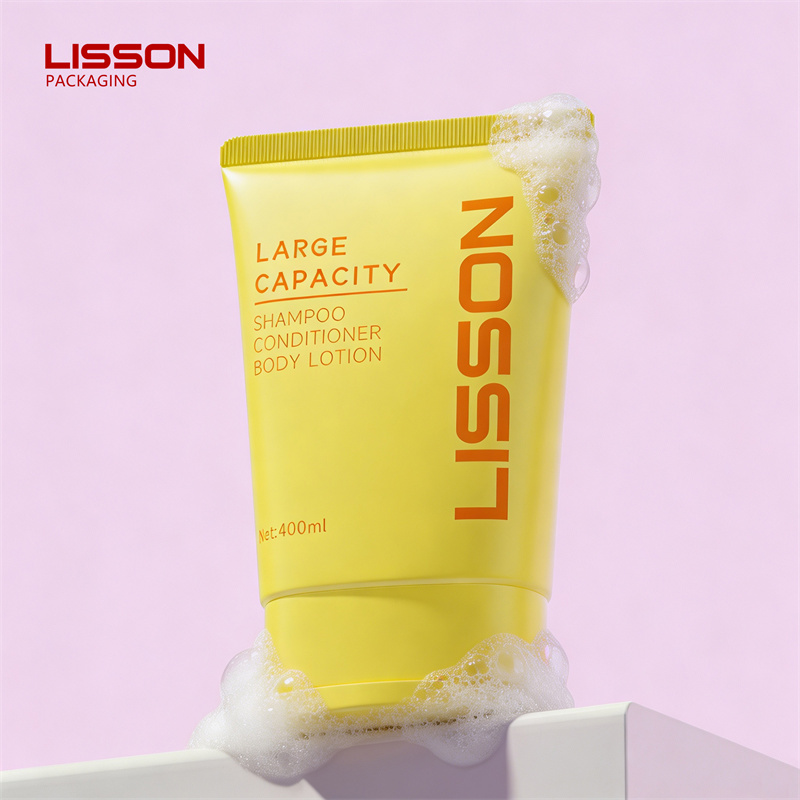
เมื่อคุณเลือกบรรจุภัณฑ์สำหรับผลิตภัณฑ์สำหรับผิวแพ้ง่าย คุณสมบัติบางอย่างมีความสำคัญมากกว่าคุณสมบัติอื่นๆ คุณต้องการภาชนะที่ปกป้องสูตรของคุณจากการเคลื่อนย้ายทางเคมี การสัมผัสกับออกซิเจน และการเจริญเติบโตของจุลินทรีย์ การตัดสินใจเลือกบรรจุภัณฑ์สำหรับผลิตภัณฑ์ดูแลผิวส่งผลต่อประสิทธิภาพของผลิตภัณฑ์ในทุกด้าน บรรจุภัณฑ์ดูแลผิวที่เหมาะสมจะผสมผสานวัสดุเฉื่อยเข้ากับการออกแบบที่ชาญฉลาด เพื่อคงความบริสุทธิ์ของผลิตภัณฑ์ตั้งแต่ครั้งแรกที่ใช้จนถึงครั้งสุดท้าย การเลือกบรรจุภัณฑ์ของคุณส่งผลโดยตรงต่อความปลอดภัยของผลิตภัณฑ์และความสะดวกสบายของลูกค้า
วัสดุเฉื่อยและปราศจาก BPA
วัสดุเฉื่อย เช่น โพลีโพรพีลีน (PP), โพลีเอทิลีน (PE) และโพลีเอทิลีนความหนาแน่นต่ำ (LDPE) ไม่ทำปฏิกิริยากับผลิตภัณฑ์ของคุณ วัสดุบรรจุภัณฑ์เหล่านี้ไม่มี BPA หรือสารพทาเลต จึงมั่นใจได้ว่าจะไม่มีสารอันตรายใดๆ ปนเปื้อนเข้าไปในสูตรของคุณ การปกป้องนี้มีความสำคัญเนื่องจาก BPA ก่อให้เกิดความเสี่ยงต่อสุขภาพอย่างร้ายแรง:
- BPA ทำหน้าที่เป็นสารรบกวนระบบต่อมไร้ท่อ โดยเลียนแบบหรือปิดกั้นการทำงานของฮอร์โมนเอสโตรเจนในร่างกาย
- ผลการศึกษาทางวิทยาศาสตร์เชื่อมโยงสาร BPA กับความผิดปกติของระบบสืบพันธุ์ พัฒนาการทางระบบประสาทล่าช้า และความผิดปกติของระบบภูมิคุ้มกัน
- BPA เพิ่มความเสี่ยงต่อมะเร็งที่เกี่ยวข้องกับฮอร์โมน
- ในปี 2023 องค์การความปลอดภัยด้านอาหารแห่งยุโรปได้ลดปริมาณการบริโภค BPA ที่ยอมรับได้ต่อวันลงถึง 20,000 เท่า
“ฉลาก ‘ปราศจาก BPA’ เป็นฉลากที่ทำให้เข้าใจผิดอย่างมาก โดยปกติแล้วหมายความว่ามีการเปลี่ยนสารบิสฟีนอลชนิดหนึ่งเป็นอีกชนิดหนึ่ง และมีสารบิสฟีนอลมากกว่า 200 ชนิด บางชนิดอาจเป็นอันตรายไม่แพ้กัน หรืออาจร้ายแรงกว่าด้วยซ้ำ” - เบอร์นาร์ด โรแบร์ ศาสตราจารย์เจมส์ แมคกิลล์ มหาวิทยาลัยแมคกิลล์
BPS และ BPF ซึ่งเป็นสารทดแทน BPA ทั่วไป ก็สามารถรบกวนระบบต่อมไร้ท่อของคุณได้เช่นกัน BPS รบกวนการทำงานของเซลล์ได้ที่ความเข้มข้นต่ำเพียงหนึ่งส่วนในล้านล้านส่วน การศึกษาในปี 2014 ทดสอบผลิตภัณฑ์พลาสติก 455 ชิ้น และพบว่าเกือบทั้งหมดมีสารเคมีที่คล้ายเอสโตรเจนรั่วไหลออกมา ไม่ว่าจะมีฉลาก "ปราศจาก BPA" ก็ตาม ขวดและภาชนะบรรจุมาตรฐานมักมีสารประกอบที่เป็นปัญหาเหล่านี้อยู่ BPA และสารทดแทนจะซึมเข้าสู่ผลิตภัณฑ์ได้ง่ายขึ้นเมื่อภาชนะบรรจุร้อนขึ้น หรือเมื่อเนื้อหาประกอบด้วยสารที่มีไขมันหรือกรด ผลิตภัณฑ์ดูแลผิวของคุณมักมีน้ำมัน ซึ่งเพิ่มความเสี่ยงนี้ น้ำยาทำความสะอาดมือที่มีแอลกอฮอล์ยังเพิ่มการดูดซึม BPA ผ่านผิวหนัง ทำให้การสัมผัสทางผิวหนังเป็นช่องทางการสัมผัสที่สำคัญ หลอดผลิตภัณฑ์ดูแลผิวที่ทำจาก PP หรือ PE ที่ไม่ทำปฏิกิริยา จะช่วยขจัดความกังวลนี้ได้อย่างสิ้นเชิง คุณสามารถหลีกเลี่ยงกับดัก "ปราศจาก BPA" ที่ทำให้เข้าใจผิดได้โดยการเลือกวัสดุที่ไม่เคยมีบิสฟีนอลตั้งแต่แรก
การออกแบบไร้อากาศและสารเติมแต่งน้อยที่สุด
หลอดปั๊มแบบไร้อากาศสร้างซีลสุญญากาศโดยใช้ลูกสูบที่ยกตัวขึ้นเมื่อคุณจ่ายผลิตภัณฑ์ กลไกนี้ป้องกันไม่ให้อากาศเข้าไปในภาชนะ ช่วยขจัดช่องว่างอากาศและอากาศไหลย้อนกลับ ซึ่งเป็นสาเหตุของการเกิดออกซิเดชันและการปนเปื้อนในขวดหรือหลอดแบบมาตรฐาน หลอดปั๊มแบบมาตรฐานใช้ท่อดูดที่ดูดอากาศกลับเข้าไปในภาชนะหลังการใช้งานแต่ละครั้ง ทำให้ออกซิเจนและสิ่งปนเปื้อนทำให้ผลิตภัณฑ์ของคุณเสื่อมสภาพ
|
ด้าน |
ปั๊มลมไร้ลม |
ขวด/หลอดมาตรฐาน |
|---|---|---|
|
ความเสี่ยงต่อการปนเปื้อนของจุลินทรีย์ |
ลดลงเกือบ 95% เมื่อเทียบกับขวดที่เปิดแล้ว |
มีความเสี่ยงสูงเนื่องจากการไหลย้อนกลับของอากาศอย่างต่อเนื่องและการสัมผัสด้วยนิ้ว |
|
อัตราการระบายผลิตภัณฑ์ |
บรรลุอัตราการอพยพ 95-98% |
เหลือผลิตภัณฑ์ตกค้าง 10-20% |
|
การป้องกันการเกิดออกซิเดชัน |
ระบบสุญญากาศปิดกั้นออกซิเจนได้อย่างสมบูรณ์ |
การไหลย้อนกลับของอากาศทำให้เกิดปฏิกิริยาออกซิเดชันกับส่วนผสมที่ไวต่อปฏิกิริยา |
การออกแบบนี้เป็นประโยชน์โดยตรงต่อผลิตภัณฑ์สำหรับผิวบอบบางของคุณ เมื่อออกซิเจนไม่สามารถเข้าถึงสูตรของคุณได้ คุณจึงต้องการสารกันเสียในปริมาณน้อยลงเพื่อรักษาเสถียรภาพ สารกันเสียที่น้อยลงหมายถึงโอกาสที่จะเกิดการระคายเคืองผิวน้อยลง ข้อดีด้านการดูแลผิวนี้มีความสำคัญอย่างยิ่งสำหรับลูกค้าที่มีผิวบอบบางที่สุดของคุณ กลไกแบบไร้อากาศยังช่วยป้องกันการแทรกซึมของความชื้น ทำให้เนื้อสัมผัสและประสิทธิภาพของผลิตภัณฑ์ของคุณคงที่บรรจุภัณฑ์หลอดบีบเครื่องสำอางwith airless technology offers this protection while remaining easy to use. This skin care packaging approach reduces your preservative load while maintaining product integrity.
The environmental impact matters too. Many airless tubes now use recyclable mono-material plastic, making them an eco-friendly packaging choice. You protect your customers' skin and the planet simultaneously. This eco-friendly approach aligns with growing consumer demand for sustainable options. When you choose airless tubes made from inert materials, you select packaging that works harder for your formulation and your customers' comfort.
Top Tube Packaging Options Compared
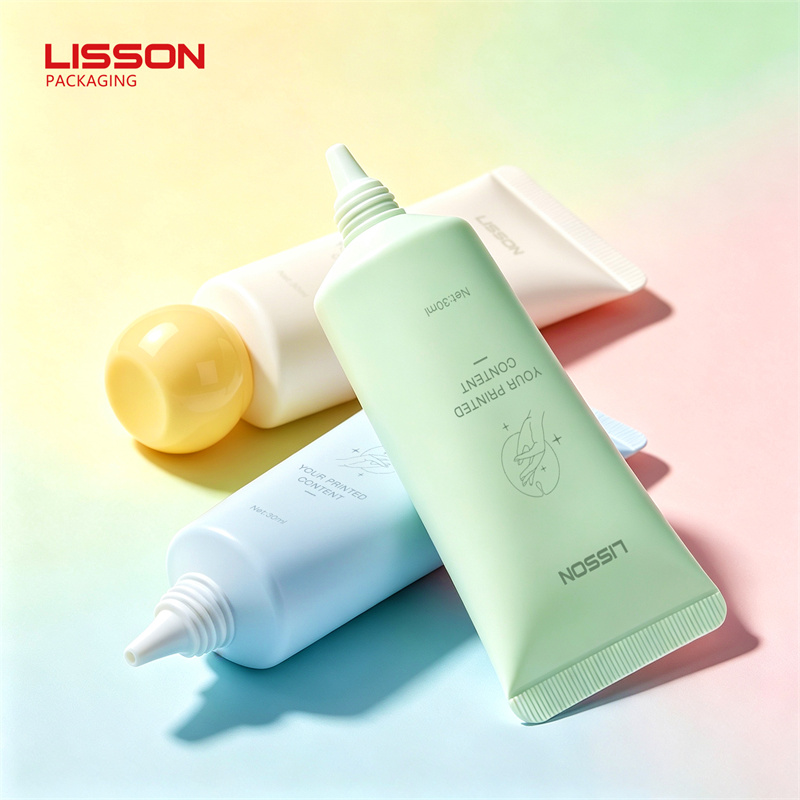
Three main tube types dominate the market for sensitive skin products. Each offers distinct advantages depending on your formulation's needs. Understanding these differences helps you make an informed choice for your brand.
Airless Tubes: The Gold Standard
Airless tubes represent the pinnacle of modern skin care packaging. These systems use a piston mechanism that rises as you dispense product, creating a vacuum seal. This design prevents air from entering the container, eliminating oxidation and contamination risks.
The benefits extend beyond protection. Mono-material recyclable designs use a single plastic type for all components—pump, tube body, and cap. This approach simplifies recycling and eliminates mixed-material waste, making it an eco-friendly choice for environmentally conscious brands.
Precise dosing matters for sensitive skin. Piston systems allow up to 95% product evacuation and controlled dispensing. This precision prevents overuse of active ingredients that might irritate delicate skin. The oxygen-free environment doubles or triples shelf life, allowing preservative-free and organic formulations to remain stable for 12-18 months without harsh preservatives.
The sealed environment preserves peptides, antioxidants, and natural extracts. Your product maintains its color, fragrance, and efficacy throughout its lifespan. This protection proves invaluable for luxury skincare lines that prioritize ingredient integrity.
The three-in-one airless configuration design makes the packaging easy to disassemble, refill, and recycle. Users can simply twist to access and replace the cartridge section, avoiding metal contamination during recycling. This achieves a perfect blend of environmental friendliness and functionality.
For brands seeking custom skincare tubes, airless options offer extensive design flexibility. You can choose various shapes, sizes, and dispensing mechanisms while maintaining superior protection.
LDPE and Aluminium Tubes: Reliable Alternatives
Low-density polyethylene (LDPE) tubes offer a balance of safety and flexibility. LDPE is the softest and most flexible option for cosmetic tubes. Creams, gels, and lotions dispense with barely a squeeze, reducing user effort significantly.
LDPE's flexibility is particularly valuable in applications such as intravenous lines, drainage tubes, and feeding tubes, where patient comfort and ease of insertion are paramount—demonstrating its proven flexibility in contexts requiring gentle, safe contact with sensitive areas.
This flexibility translates directly to user experience. Because LDPE bends easily, users don't have to wrestle with the tube. This gentle, low-friction application suits sensitive skin products perfectly. LDPE is non-toxic and does not leach harmful chemicals, making it safe for cosmetic packaging applied directly to the skin. It also meets regulatory standards for cosmetic packaging, ensuring consumer safety.
Aluminium tubes provide maximum protection for the most sensitive formulations. The barrier comparison reveals significant differences:
|
Barrier Property |
LDPE (Plastic) Tubes |
Aluminium (ABL) Tubes |
|---|---|---|
|
Light |
Minimal light barrier |
Maximum protection from light |
|
Oxygen |
Poor barrier in mono-layer; good with EVOH layers |
Absolute oxygen barrier |
|
Moisture |
Highly resistant; EVOH degrades in humidity |
Completely unaffected by moisture |
Aluminium is completely impermeable, forming a total barrier against oxygen, moisture, light, and microorganisms. Plastic tubes, even high-grade multilayer ones, remain semi-permeable. Gases and moisture slowly pass through plastic walls over time.
Aluminium tubes undergo non-reversible deformation when squeezed. This prevents air from being sucked back in. Plastic tubes regain shape and draw air back inside, compromising product quality. Aluminium tubes receive internal lacquer coatings to prevent chemical interaction with formulations. Plastic can absorb ingredients or leach chemicals into the product.
ABL (Aluminium Barrier Laminate) tubes combine plastic layers with a thin aluminium foil barrier. They provide excellent protection against oxygen, moisture, light, and external contamination. These tubes suit sensitive formulas like toothpaste, sunscreen, and pharmaceutical creams. They support high-quality printing and premium decoration while maintaining product stability.
The cost difference matters. Aluminium tubes cost 30-50% more than plastic and weigh more, increasing shipping expenses. However, for formulations requiring maximum protection, this investment proves worthwhile.
When comparing types of skincare packaging, consider your product's specific vulnerabilities. Squeeze cosmetic tube packaging from LDPE offers affordability and ease. Aluminium provides unmatched protection. Airless tubes combine modern design with superior preservation. Your choice of packaging materials directly impacts product efficacy and customer satisfaction. The right tube protects your formulation and builds trust with sensitive skin consumers. Consider recyclability alongside protection to meet sustainability goals. These packaging decisions shape your brand's reputation and your customers' experience.
How to Choose the Right Skincare Packaging
Your formulation's viscosity should guide your first packaging decision. Thick creams and balms perform well in tubes because squeezing controls dispensing and prevents oxidation. Lighter lotions and serums work better in bottles with pumps or droppers, which allow precise, hygienic application. Water-based toners suit mist sprayers or disc-top caps for even distribution. The general rule is simple: a package that works for one formula may fail with another. Essential oils, alcohol, acids, and high-viscosity products can affect plastics, seals, and pumps, so compatibility testing is essential.
|
Formulation Type |
Key Packaging Requirement |
|---|---|
|
Water-based (toners, serums) |
Excellent moisture barrier to prevent microbial growth; inner layer must not adsorb or react with active ingredients |
|
Oil-based (skincare oils) |
Inner layer with good chemical inertness (e.g., CPP or PE) to prevent softening or leaching of additives |
|
Highly active (retinol, Vitamin C) |
High-barrier structures with aluminum foil layer combined with light-blocking design |
|
Anhydrous/low-moisture (powders, pastes) |
High moisture protection and sufficient mechanical strength to prevent transport damage |
Matching Tube Type to Product Consistency
For thicker formulations, custom skincare tubes offer distinct advantages. Airless tubes suit rich creams because the piston mechanism evacuates up to 95% of the product and prevents air backflow. This design protects sensitive ingredients from oxidation while maintaining consistent texture. LDPE tubes work well for lighter gels and lotions, providing flexibility and easy dispensing with minimal effort. Aluminium tubes offer maximum protection for the most sensitive formulations, forming a complete barrier against light, oxygen, and moisture. Your choice of packaging materials directly affects how well your product survives from first use to last.
Balancing Preservation Needs with User Convenience
Products with fewer preservatives benefit most from airless or aluminium tubes to extend shelf life and maintain efficacy. Packaging choice substantially affects preservative requirements. An open jar entered with fingers introduces air, water, and skin flora on every use, demanding a robust preservation system. Airless pumps, sealed tubes, and single-use ampoules limit that ingress and permit lighter systems. For the same formula, a pump is a safer container than a pot.
Packaging is essential when preservative levels are kept to a minimum. Unit-dose formats, pumps, and airless dispensers can lower the risk of contamination. In order to preserve microbiological quality, CPSRs should describe how formulation and packaging cooperate.
Opaque packaging protects light-sensitive ingredients like retinol or Vitamin C from degradation. Transparent containers expose your product to UV light, reducing potency over time. Air-tight seals prevent oxidation and preserve effectiveness. Materials like glass or high-density polyethylene prevent contamination from bacteria, dust, or moisture—critical for preservative-free formulations designed for sensitive skin.
Squeeze cosmetic tube packaging balances protection with user convenience. Tubes provide controlled dispensing, portability, and ample decoration area. This design enhances consumer experience while maintaining product integrity. Your packaging decision shapes both safety and satisfaction. Choose materials that protect your formulation and consider recyclability for sustainability. The right tube builds trust with sensitive skin consumers and strengthens your brand reputation.
Choosing the best skincare packaging for your sensitive skin products means selecting inert packaging materials that block chemical leaching, light, and oxygen. Airless tubes deliver superior protection. LDPE and aluminium serve as reliable alternatives. Your choice should also prioritize sustainability through recyclability. Eco-friendly packaging options include mono-material design and fiber-based materials. These choices support environmental goals. Lisson's skin care packaging meets these rigorous standards. Our materials ensure both safety and efficacy. Luxury brands trust our design. We help you select the right option for your skincare products. From bottles to jars, we prioritize protection and recyclability. Recyclable options reduce waste while supporting your goals. Fiber-based options with FSC certification provide proof of your commitment. This approach protects both your customers and the planet.
FAQ
What makes airless tubes the best choice for sensitive skin products?
หลอดสุญญากาศช่วยป้องกันไม่ให้อากาศเข้าไปในภาชนะ ซึ่งจะหยุดการเกิดออกซิเดชันและการปนเปื้อน คุณจึงไม่จำเป็นต้องใช้สารกันบูดมากนัก ซึ่งช่วยลดความเสี่ยงต่อการระคายเคือง นอกจากนี้ การปิดผนึกแบบสุญญากาศยังช่วยให้สามารถดูดอากาศออกจากผลิตภัณฑ์ได้ถึง 95% การออกแบบบรรจุภัณฑ์นี้ช่วยปกป้องสูตรผลิตภัณฑ์บำรุงผิวของคุณได้อย่างสมบูรณ์ วัสดุบรรจุภัณฑ์แบบสุญญากาศทำงานได้อย่างมีประสิทธิภาพมากขึ้นเพื่อรักษาความบริสุทธิ์ของผลิตภัณฑ์ของคุณ
หลอด LDPE ปลอดภัยสำหรับผิวแพ้ง่ายหรือไม่?
ใช่ค่ะ LDPE ปลอดสารพิษและไม่ปล่อยสารเคมีที่เป็นอันตราย มีความยืดหยุ่นและบีบง่าย ทำให้การใช้งานอ่อนโยน LDPE เหมาะสำหรับโลชั่นและเจลเนื้อบางเบา หากต้องการการปกป้องสูงสุดจากแสงและออกซิเจน ควรพิจารณาใช้หลอดอลูมิเนียมแทน บรรจุภัณฑ์หลอดบีบสำหรับเครื่องสำอางนี้ให้ความปลอดภัยที่เชื่อถือได้สำหรับขั้นตอนการดูแลผิวของคุณ
ฉันจะตรวจสอบได้อย่างไรว่าบรรจุภัณฑ์ของฉันมีสาร BPA หรือไม่?
มองหารหัสการรีไซเคิล 3 (PVC) หรือ 7 (โพลีคาร์บอเนต) บรรจุภัณฑ์เหล่านี้มักมี BPA หรือสารพทาเลต ควรเลือกบรรจุภัณฑ์ที่ทำจาก PP หรือ PE แทน วัสดุเหล่านี้เป็นวัสดุเฉื่อยและไม่มีสารบิสฟีนอล ตรวจสอบฉลากเพื่อหาคำว่า "ปราศจาก BPA" แต่โปรดจำไว้ว่าคำกล่าวอ้างนี้อาจทำให้เข้าใจผิดได้ หลอดบรรจุภัณฑ์สำหรับผลิตภัณฑ์ดูแลผิวที่สั่งทำพิเศษจากผู้ผลิตที่เชื่อถือได้จะหลีกเลี่ยงปัญหานี้ได้อย่างสมบูรณ์
หลอดสุญญากาศสามารถนำกลับมาใช้ใหม่ได้หรือไม่?
หลอดปั๊มสุญญากาศสมัยใหม่จำนวนมากใช้พลาสติกรีไซเคิลแบบวัสดุเดียว ซึ่งหมายความว่าส่วนประกอบทั้งหมดใช้พลาสติกชนิดเดียวกัน คุณสามารถรีไซเคิลได้ง่ายกว่าหลอดที่ทำจากวัสดุผสม แนวทางการบรรจุภัณฑ์ที่เป็นมิตรต่อสิ่งแวดล้อมนี้ช่วยปกป้องผิวของคุณและโลกไปพร้อมๆ กัน บรรจุภัณฑ์ผลิตภัณฑ์ดูแลผิวที่ยั่งยืนช่วยลดผลกระทบต่อสิ่งแวดล้อมในขณะที่ยังคงรักษาความปลอดภัยของผลิตภัณฑ์ไว้ได้
บรรจุภัณฑ์แบบใดเหมาะสมที่สุดสำหรับผลิตภัณฑ์ที่ปราศจากสารกันบูด?
หลอดสุญญากาศหรือท่ออลูมิเนียมบรรจุภัณฑ์แบบนี้ทำงานได้ดีที่สุด เพราะสามารถป้องกันออกซิเจนและแสงได้อย่างสมบูรณ์ ช่วยยืดอายุการใช้งานโดยไม่ต้องใช้สารกันบูดที่รุนแรง ผลิตภัณฑ์ของคุณจะคงสภาพได้นาน 12-18 เดือน การปกป้องนี้สำคัญมากสำหรับผิวแพ้ง่ายที่แพ้สารกันบูด เลือกบรรจุภัณฑ์ที่ให้ความสำคัญกับความสมบูรณ์ของส่วนผสมสำหรับผลิตภัณฑ์ดูแลผิวของคุณ