



วิธีเลือกบรรจุภัณฑ์เครื่องสำอางที่เหมาะสม: คู่มือสำหรับหมวดหมู่ผลิตภัณฑ์หลัก 7 ประเภท
เราเป็นโรงงานผลิตบรรจุภัณฑ์เครื่องสำอางแบบครบวงจร ที่มีประสบการณ์ยาวนานกว่า 20 ปีในการผลิตหลอดเครื่องสำอางแบบสั่งทำพิเศษ เช่น หลอดบีบ หลอด ABL หลอด PBL หลอดปั๊มไร้ลม หลอดลิปกลอส และหลอดบำรุงผิว พีซีอาร์ (รีไซเคิลจากวัสดุเหลือใช้หลังการบริโภค) ) หลอด เป็นต้น
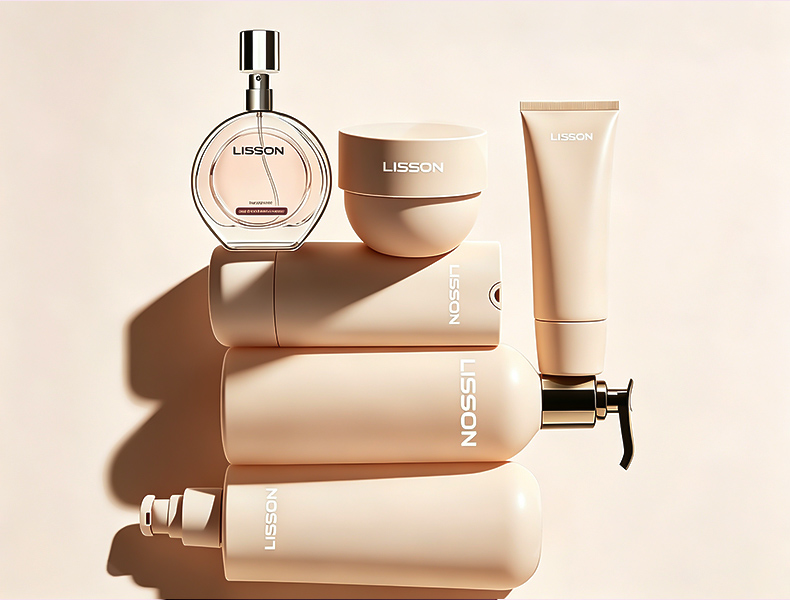
การเลือกบรรจุภัณฑ์หลักและบรรจุภัณฑ์รองที่เหมาะสมเป็นหนึ่งในการตัดสินใจที่สำคัญที่สุดสำหรับแบรนด์เครื่องสำอางทุกแบรนด์ ภาชนะบรรจุไม่ได้ทำหน้าที่เพียงแค่บรรจุของเหลวหรือครีมเท่านั้น แต่ยังช่วยปกป้องสารออกฤทธิ์จากการเสื่อมสภาพจากแสงและอากาศ รับประกันการจ่ายผลิตภัณฑ์ในปริมาณที่แม่นยำระหว่างการใช้งานประจำวัน และสื่อสารคุณภาพของแบรนด์โดยตรงแก่ผู้บริโภคบนชั้นวางสินค้า
ที่ LISSON Packaging เราดำเนินงานโรงงานผลิตที่มีความแม่นยำ ครอบคลุมการขึ้นรูป การรีดท่อ การตกแต่งพื้นผิว และการทำเครื่องมือแบบกำหนดเอง ด้านล่างนี้คือภาพรวมทางวิศวกรรมของหมวดหมู่ผลิตภัณฑ์หลัก 7 ประเภทของเรา โดยตรวจสอบขั้นตอนการผลิต คุณสมบัติของวัสดุ ประสิทธิภาพด้านการกั้น และการใช้งานสูตรผลิตภัณฑ์ที่เหมาะสม
1. บรรจุภัณฑ์ขวดแก้ว
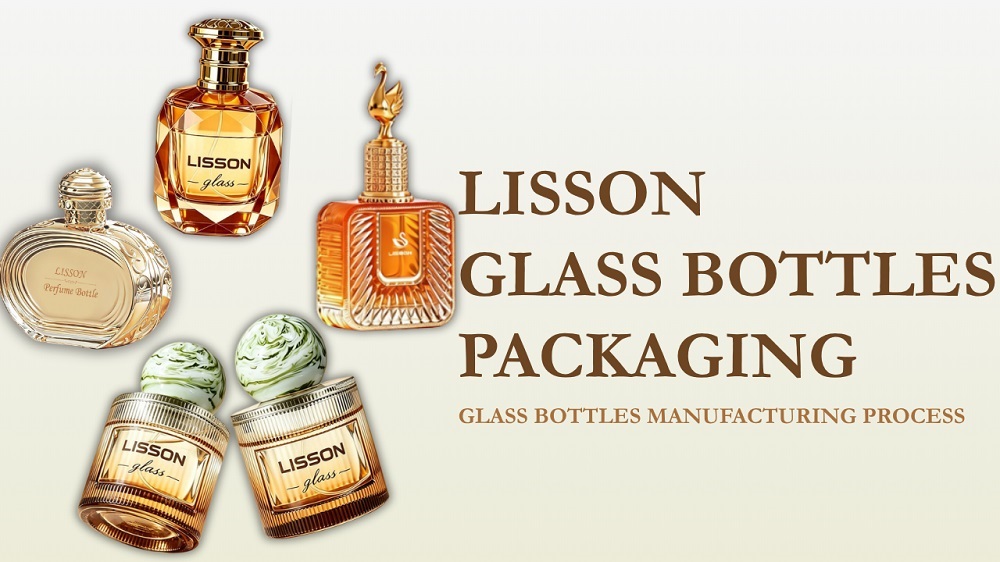
แก้วยังคงเป็นมาตรฐานของอุตสาหกรรมสำหรับผลิตภัณฑ์ดูแลผิวระดับพรีเมียม น้ำหอมชั้นดี และสูตรผลิตภัณฑ์ทางคลินิก ด้วยโครงสร้างที่ไม่มีรูพรุนและความเฉื่อยทางเคมีอย่างสมบูรณ์ แก้วความบริสุทธิ์สูงจึงสร้างสภาพแวดล้อมที่ไม่มีปฏิกิริยา ทำให้เหมาะอย่างยิ่งสำหรับบรรจุสารออกฤทธิ์ที่ละเอียดอ่อน เช่น L-ascorbic acid (วิตามิน C), เรตินอยด์, ผลัดผิวด้วยสารเคมี AHA/BHA และส่วนผสมของน้ำมันหอมระเหยบริสุทธิ์
กระบวนการผลิตและการขึ้นรูป
การผลิต ขวดแก้วแบบอัตโนมัติของเราผสานการขึ้นรูปด้วยความร้อนที่แม่นยำเข้ากับการลดความเครียดที่ควบคุมได้:
- การหลอมและการกลั่น: ทรายซิลิกาคุณภาพสูง โซดาแอช และหินปูนถูกกลั่นในเตาหลอมต่อเนื่องที่อุณหภูมิสูงกว่า 1500°C เพื่อกำจัดฟองอากาศขนาดเล็กและรับประกันคุณภาพด้านความใสของแก้ว
- การขึ้นรูปด้วยเครื่อง IS อัตโนมัติ: ใช้การขึ้นรูปแบบเป่า-เป่าสำหรับขวดน้ำหอมทรงแคบ และการขึ้นรูปแบบกด-เป่าสำหรับขวดเซรั่มฐานหนาและกระปุกครีม เครื่องจักร Individual Section ของเรารับประกันความหนาของผนังที่สม่ำเสมอและการกระจายน้ำหนักของฐานที่แข็งแรง
- การอบคืนตัวแบบควบคุมด้วยเตา Lehr:แก้วที่ขึ้นรูปแล้วจะผ่านเตาอบเย็นแบบต่อเนื่องที่มีระยะเวลานาน เพื่อกำจัดความเครียดจากความร้อนภายในผนังแก้ว เพิ่มความทนทานต่อการตกกระแทกและความเสถียรทางความร้อนอย่างมาก
- การทำมาตรฐานคอขวด:เครื่องมือความแม่นยำผลิตฝาจีบมาตรฐาน FEA15 สำหรับหัวฉีดน้ำหอมแบบละเอียด พร้อมทั้งผลิตผิวเกลียวต่อเนื่องสำหรับปิเปตหยดแบบป้องกันอากาศเข้า
การใช้งานที่แนะนำ
น้ำมันบำรุงผิวหน้าระดับหรู เซรั่มต่อต้านวัยเข้มข้น รองพื้นชนิดเหลว ผลิตภัณฑ์แต้มเฉพาะจุดทางคลินิก และน้ำหอมชั้นดีระดับพรีเมียม
2. บรรจุภัณฑ์หลอดบีบอลูมิเนียม
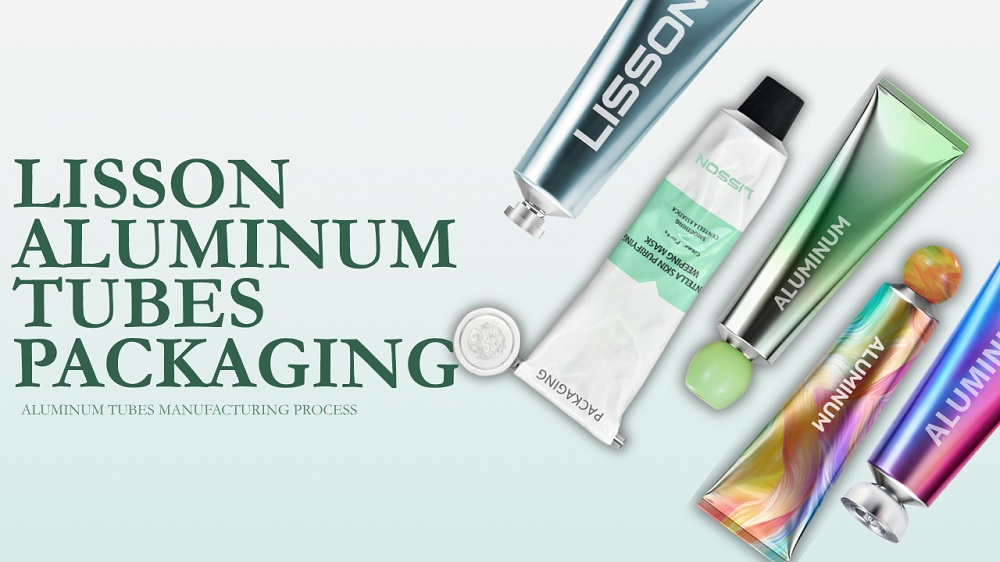
หลอดอลูมิเนียมแบบยุบตัวได้ให้การป้องกันแบบกั้นอย่างสมบูรณ์สำหรับสูตรผลิตภัณฑ์ที่ไวต่อสภาวะต่าง ๆ ต่างจากหลอดพลาสติกทั่วไปที่ดูดอากาศภายนอกกลับเข้าสู่ห้องบรรจุหลังจากบีบ หลอดอลูมิเนียมยังคงอยู่ในสภาพยุบตัว พฤติกรรมที่ไม่ดูดอากาศกลับนี้ช่วยป้องกันการซึมผ่านของออกซิเจนและความชื้นจากบรรยากาศ ทำให้เป็นภาชนะที่เหมาะสำหรับครีมเครื่องสำอางที่ปราศจากสารกันเสียหรือมีแนวโน้มเกิดออกซิเดชัน
การอัดขึ้นรูปด้วยแรงกระแทกและการทำให้เฉื่อย
การผลิตของเราหลอดอลูมิเนียมใช้แท่งอลูมิเนียมบริสุทธิ์ 99.7% ที่ผ่านขั้นตอนโลหะวิทยาอย่างต่อเนื่อง:
- การอัดขึ้นรูปด้วยแรงกระแทกเย็น:เครื่องกดแรงดันสูงจะกระแทกแท่งโลหะด้วยความเร็วสูง บังคับให้โลหะไหลย้อนผ่านเครื่องมือกดเพื่อสร้างเปลือกหลอดทรงกระบอกและหัวฉีดแบบเกลียวภายในจังหวะเดียว
- การอบคืนตัว:หลอดที่ผ่านการอัดขึ้นรูปจะเข้าสู่กระบวนการอบด้วยความร้อนสูงเพื่อทำให้โครงสร้างผลึกของโลหะอ่อนตัว ทำให้หลอดมีความนุ่มและยุบตัวได้อย่างเรียบเนียนโดยไม่แตกร้าว
- การเคลือบแล็กเกอร์อีพ็อกซี-ฟีนอลิกภายใน:หัวฉีดอัตโนมัติจะเคลือบด้านในของหลอดด้วยเรซินอีพ็อกซี-ฟีนอลิกเกรดอาหาร เมื่อผ่านการอบในเตาบ่มแล้ว ชั้นเคลือบที่เป็นกลางนี้จะป้องกันสูตรที่เป็นกรดหรือด่างไม่ให้ทำปฏิกิริยากับผนังอลูมิเนียม
- เคลือบอีนาเมลฐานและการพิมพ์:มีการเคลือบอีนาเมลฐานที่ด้านนอก ตามด้วยการพิมพ์ออฟเซ็ต 4 ถึง 6 สี และการเคลือบวานิชป้องกัน
- การซีลด้วยแถบลาเท็กซ์:มีการติดตั้งวงแหวนลาเท็กซ์อีลาสโตเมอร์ภายในบริเวณขอบฐาน เพื่อรับประกันการปิดผนึกแบบสุญญากาศเมื่อปลายหลอดถูกพับและจีบหลังการบรรจุ
การใช้งานที่แนะนำ
ขี้ผึ้งหรือยาทาภายนอกทางเภสัชกรรม บาล์มมือจากพืช ทรีตเมนต์ผลัดผิวด้วยสารเคมี ผลิตภัณฑ์เปลี่ยนสีผมระดับมืออาชีพ และสูตรผลิตภัณฑ์ดูแลผิวแบบคลีนบิวตี้
3. บรรจุภัณฑ์ขวดพลาสติก
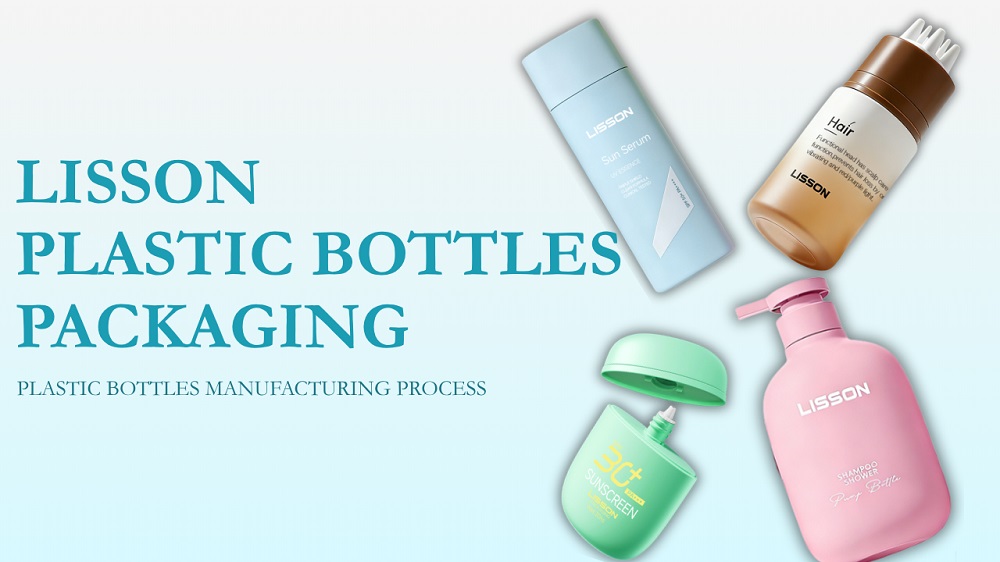
ขวดพลาสติกเป็นผลิตภัณฑ์หลักสำหรับการดูแลส่วนบุคคลในชีวิตประจำวัน แชมพู ผลิตภัณฑ์ล้างตัว และผลิตภัณฑ์ป้องกันแสงแดด โดยผสานความทนทานต่อการแตกเข้ากับความคุ้มค่าด้านการขนส่งที่มีน้ำหนักเบา และรูปทรงตามหลักสรีรศาสตร์ที่หลากหลายซึ่งรองรับฝาปิดจ่ายผลิตภัณฑ์หลายรูปแบบ
วิศวกรรมการขึ้นรูปและเครื่องจ่าย
เราผลิตแคตตาล็อกที่หลากหลายของ ขวดเครื่องสำอาง โดยใช้ทั้งพอลิเมอร์ใหม่บริสุทธิ์และพอลิเมอร์รีไซเคิลหลังการบริโภค (PCR):
- การขึ้นรูปแบบเป่ายืดด้วยการฉีด (ISBM): ใช้เป็นหลักสำหรับเรซิน PET และ PETG เพื่อผลิตความใสระดับคริสตัล ความแข็งแรงต่อแรงกระแทกสูง และพื้นผิวคอขวดที่แม่นยำ ซึ่งช่วยป้องกันการรั่วของฝาขวดระหว่างการขนส่งทางอากาศที่มีแรงดัน
- การขึ้นรูปแบบเป่าด้วยการอัดรีด (EBM): ใช้สำหรับวัสดุ HDPE และ PP ช่วยให้สามารถอัดรีดร่วมหลายชั้นเพื่อเพิ่มความต้านทานสารเคมีและสร้างรูปทรงเฉพาะ เช่น ขวดกันแดดทรงแบนและภาชนะโลชั่นทรงโค้ง
- การจับคู่เครื่องจ่ายตามฟังก์ชัน: ขวดของเราผสานการทำงานได้อย่างลงตัวกับปั๊มโลชั่นเฉพาะทาง หัวพ่นละอองละเอียด หัวโฟมแบบล็อกได้ และอุปกรณ์นวดหนังศีรษะแบบสั่น
- การตกแต่งพื้นผิว: สามารถปรับแต่งได้เต็มรูปแบบด้วยการเคลือบผิวด้านแบบสัมผัสนุ่ม การพิมพ์ซิลค์สกรีน การปั๊มฟอยล์ร้อน และการพ่นสีไล่ระดับ
การใช้งานที่แนะนำ
โทนเนอร์ทำความสะอาดผิว น้ำไมเซลลาร์ คลีนซิ่ง โลชั่นกันแดดแบบปกป้องรังสีได้ครอบคลุม ผลิตภัณฑ์ทำความสะอาดผิวกายประจำวัน และเซรั่มกระตุ้นหนังศีรษะ
4. บรรจุภัณฑ์ขวดอะลูมิเนียมแบบชิ้นเดียว
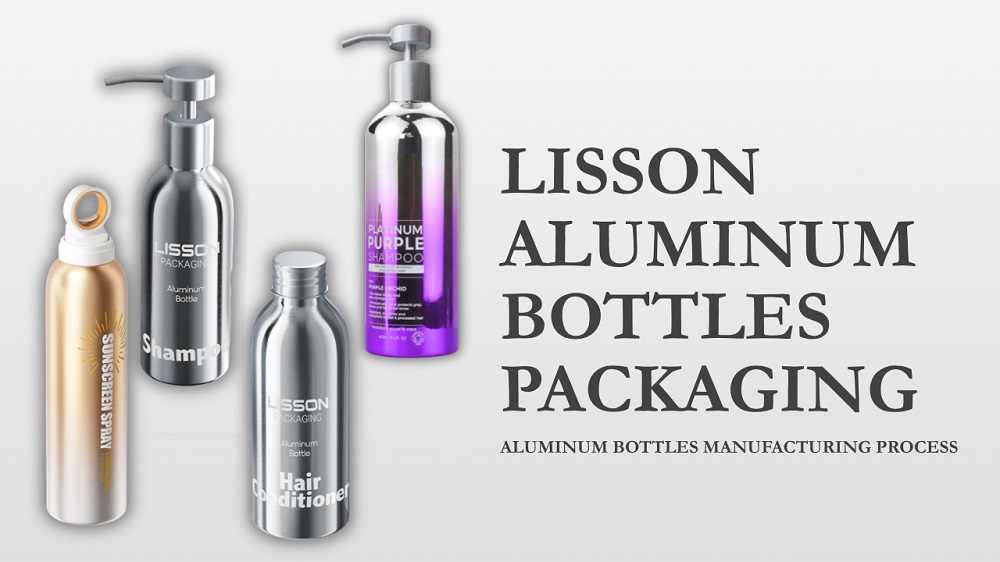
ขวดอะลูมิเนียมแบบชิ้นเดียวผสานความสวยงามแบบโลหะสมัยใหม่เข้ากับความสามารถในการรีไซเคิลแบบหมุนเวียน 100% ได้รับการเลือกใช้อย่างแพร่หลายโดยแบรนด์ผลิตภัณฑ์ดูแลเส้นผมระดับมืออาชีพ ผลิตภัณฑ์สเปรย์เซ็ตผม และผลิตภัณฑ์ละอองสเปรย์ ภาชนะเหล่านี้ป้องกันสนิมในสภาพแวดล้อมเปียกชื้นและให้ประสิทธิภาพในการป้องกันแสงอย่างสมบูรณ์
การขึ้นรูปและการตกแต่งพื้นผิวของขวดอะลูมิเนียมแบบชิ้นเดียว
สายการผลิตของเราสำหรับ บรรจุภัณฑ์ดูแลร่างกายและเส้นผม ใช้เทคนิคการขึ้นรูปโลหะแบบไร้รอยต่อ:
- การอัดขึ้นรูปแบบไร้รอยต่อ: ขึ้นรูปจากแท่งอะลูมิเนียมชิ้นเดียว สร้างตัวขวดแบบชิ้นเดียวโดยไม่มีรอยเชื่อมหรือรอยต่อ ช่วยให้มีความแข็งแรงทางโครงสร้างเพียงพอสำหรับรองรับแรงดันของสารขับดันภายในในการใช้งานแบบละอองสเปรย์
- แม่พิมพ์คอขวดแบบหุ่นยนต์: กระบวนการแม่พิมพ์หลายขั้นตอนจะค่อย ๆ ขึ้นรูปบริเวณไหล่และคอขวด เพื่อสร้างเกลียวมาตรฐาน (24/410, 28/410) หรือรูปแบบการย้ำขนาด 1 นิ้วสำหรับวาล์วสเปรย์
- ชั้นเคลือบป้องกันภายใน: ใช้ชั้นเคลือบเรซินโพลีเอไมด์เชื่อมขวางหรือ BPA-NI (BPA Non-Intent) ที่ผ่านการพัฒนา โดยนำไปอบด้วยเตาเพื่อให้ทนต่อสารลดแรงตึงผิวที่รุนแรงและตัวทำละลายแอลกอฮอล์
- การตกแต่งโลหะภายนอก: ตัวเลือกประกอบด้วยการทำอะโนไดซ์เงาสูง พื้นผิวโลหะแบบปัดลาย การพิมพ์ออฟเซ็ต 360 องศา และสารเคลือบเงาด้านที่ให้สัมผัสพิเศษ
การใช้งานที่แนะนำ
ผลิตภัณฑ์ดูแลเส้นผมระดับซาลอน สเปรย์จัดแต่งทรงผมแบบละอองแอโรซอล ดรายแชมพู สเปรย์น้ำแร่ร้อน และเครื่องจ่ายสบู่เหลวระดับหรู
5. ถุงฟิล์มแบบยืดหยุ่นและถุงบรรจุภัณฑ์พร้อมหัวจ่าย
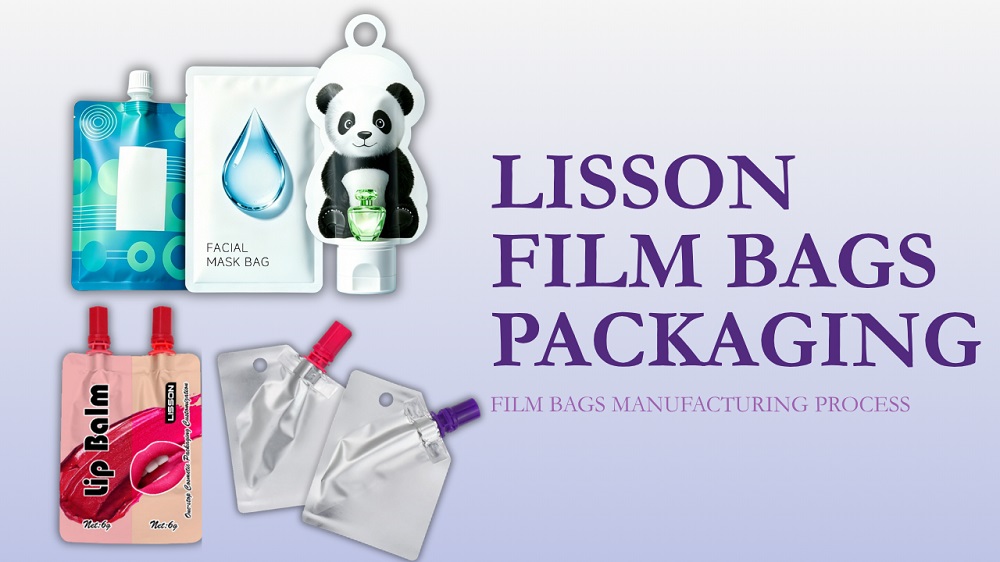
บรรจุภัณฑ์ฟิล์มยืดหยุ่นและถุงพร้อมหัวจ่ายเติบโตอย่างรวดเร็ว เนื่องจากแบรนด์ต่าง ๆ ให้ความสำคัญกับการลดการใช้พลาสติกและรูปแบบธุรกิจแบบเติมใหม่ เมื่อเทียบกับขวดแข็ง ถุงแบบยืดหยุ่นใช้วัตถุดิบพอลิเมอร์ในการผลิตน้อยกว่ามากและใช้พื้นที่น้อยระหว่างการขนส่งและการจัดเก็บคลังสินค้า
การเคลือบหลายชั้นและการแปรรูป
โซลูชันถุงแบบยืดหยุ่นของเรารองรับการเปิดตัวผลิตภัณฑ์แห่งอนาคตในคอลเลกชัน สินค้าใหม่ปี 2026:
- ลามิเนตป้องกันการซึมผ่านสูง: โครงสร้างหลายชั้นที่รวม PET, VMPET, ฟอยล์อะลูมิเนียม, กระดาษคราฟท์ และ LLDPE เข้าด้วยกันผ่านการเคลือบแบบไร้ตัวทำละลาย ให้ความแข็งแรงต่อแรงดึงสูงและทนต่อการเจาะทะลุ
- รูปทรงตัดเฉพาะตามแบบ: อุปกรณ์ตัดอัตโนมัติผลิตรูปทรงเฉพาะ เส้นโค้งตามหลักสรีรศาสตร์ รูแขวน และรูปแบบหลายช่องแบ่งสำหรับการดูแลผิวเฉพาะจุด
- การติดตั้งหัวจ่ายแบบสอด:การเชื่อมด้วยอัลตราโซนิกและความร้อนช่วยยึดหัวจ่ายโพลีเอทิลีน (PE) หรือโพลีโพรพิลีน (PP) แบบแข็งขนาดตั้งแต่ 8 มม. ถึง 16 มม. อย่างแน่นหนา ทำให้การเทสำหรับระบบเติมซ้ำปราศจากการรั่วซึม
- การพิมพ์โรโตกราเวียร์ความละเอียดสูง:รองรับการพิมพ์สูงสุด 10 สี ช่วยให้ได้กราฟิกเสมือนจริง เอฟเฟกต์ไฮไลต์โลหะ และพื้นผิวแบบด้าน-เงาเฉพาะจุด
การใช้งานที่แนะนำ
บรรจุภัณฑ์แผ่นมาสก์หน้าแบบชีต ซองเติมแชมพูเหลว ซองโลชั่นขนาดพกพา ผลิตภัณฑ์ลอกผิวแบบใช้ครั้งเดียว และชุดตัวอย่างส่งเสริมการขาย
6. บรรจุภัณฑ์หลอดเครื่องสำอางแบบบีบ
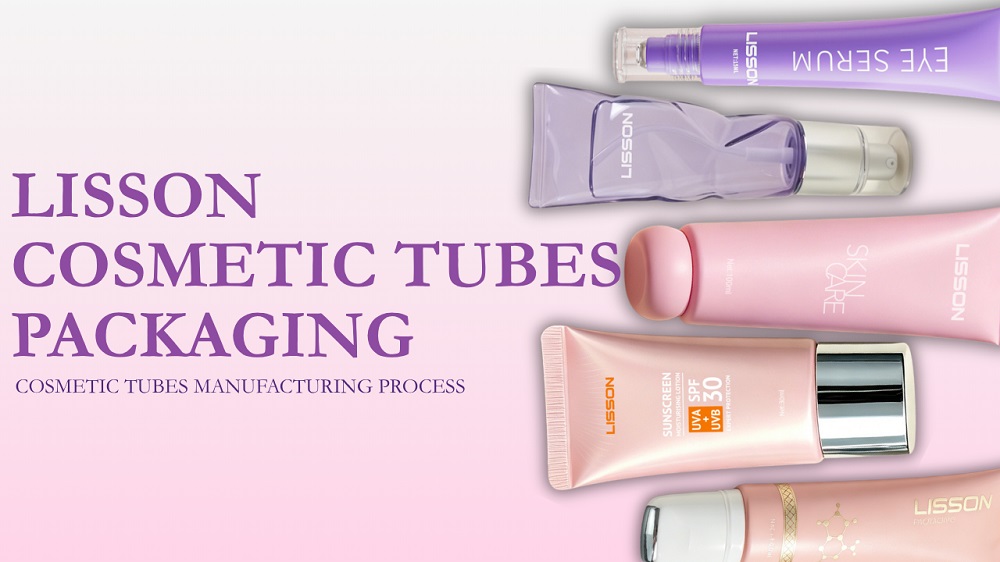
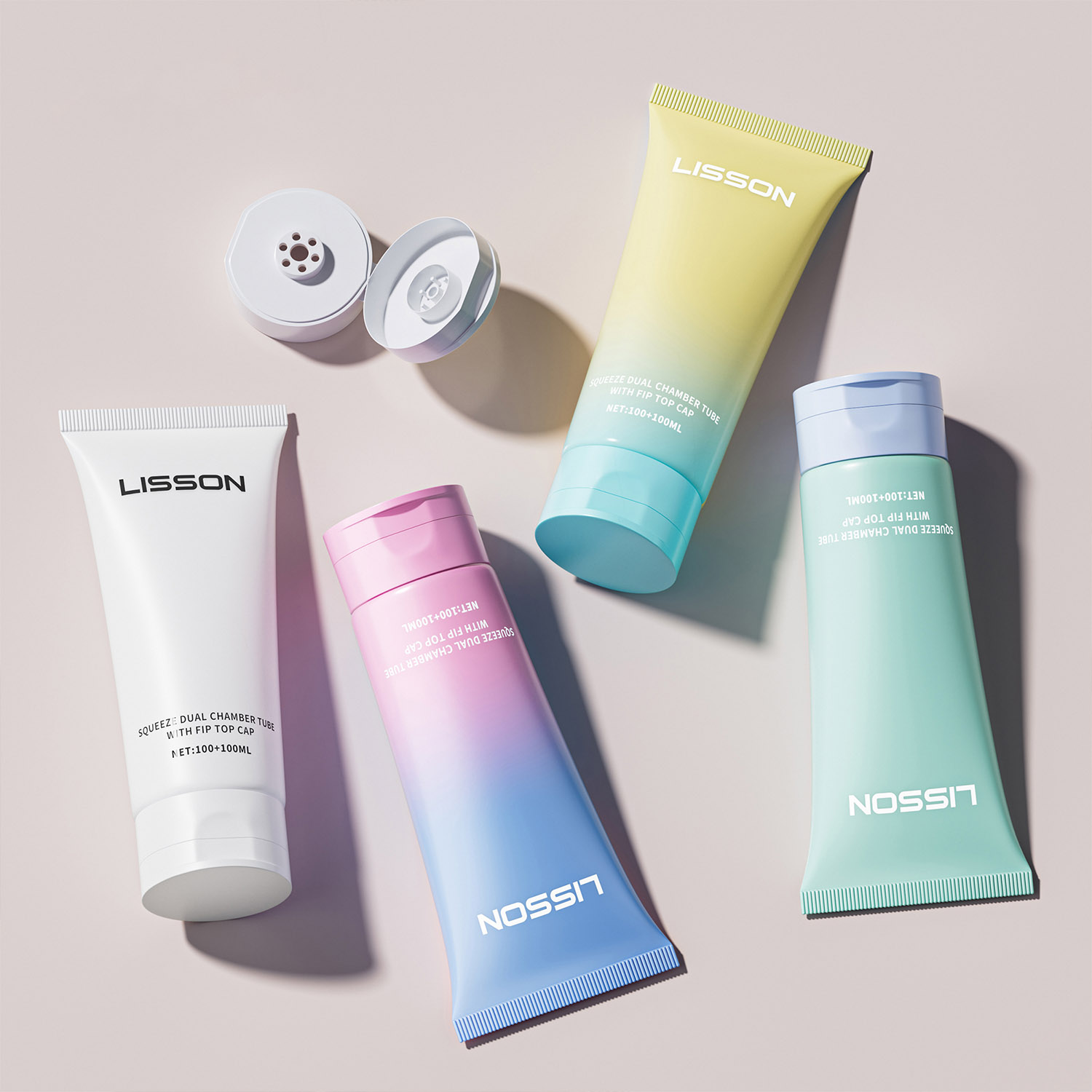
หลอดเครื่องสำอางแบบบีบเป็นความเชี่ยวชาญหลักของเรา โดยมอบสมดุลที่เหมาะสมระหว่างความสะดวกในการใช้งาน การควบคุมปริมาณ และการปกป้องสูตรผลิตภัณฑ์สำหรับผลิตภัณฑ์ดูแลผิว ผลิตภัณฑ์ดูแลร่างกาย และเครื่องสำอางสี เทคโนโลยีการออกแบบหลอดสมัยใหม่ผสานวัสดุกั้นหลายชั้นเข้ากับปลายหัวใช้งานเฉพาะทาง
การอัดรีด แกนกั้น และหัวใช้งาน
เราออกแบบทางวิศวกรรมสำหรับหลอดผลิตภัณฑ์ดูแลผิวโดยใช้ทั้งโครงสร้างแบบอัดรีดร่วมและแบบเคลือบหลายชั้น:
- การอัดรีดร่วม (EVOH แบบ 2 ชั้นและ 5 ชั้น):หลอดแบบ 2 ชั้นมาตรฐานให้การจ่ายผลิตภัณฑ์ที่ยืดหยุ่นสำหรับผลิตภัณฑ์ทำความสะอาดพื้นฐาน ขณะที่การอัดรีดร่วมแบบ 5 ชั้นผสานชั้นกั้น EVOH เพื่อหยุดการซึมผ่านของออกซิเจนและป้องกันการเสื่อมสภาพของสารออกฤทธิ์ในผลิตภัณฑ์ดูแลผิวขั้นสูง
- รูปแบบหลอดเคลือบหลายชั้น:วัสดุลามิเนตกั้นอะลูมิเนียม (ABL) มอบการป้องกันการซึมผ่านสูงสุด ขณะที่วัสดุลามิเนตกั้นพลาสติก (PBL) รองรับการพิมพ์ภาพถ่ายต่อเนื่องแบบ 360 องศาโดยไม่มีรอยต่อด้านข้างที่มองเห็นได้
- เทคโนโลยีหัวใช้งานแบบผสานรวม:นอกเหนือจากรูจ่ายมาตรฐานแล้ว หลอดสามารถติดตั้งปลายโลหะผสมสังกะสี Zamac แบบให้ความเย็น ลูกกลมเซรามิก แปรงซิลิโคนสำหรับใบหน้า หรือไมโครโรลเลอร์บอลสเตนเลส เพื่อยกระดับขั้นตอนการใช้ผลิตภัณฑ์ของผู้บริโภค
- ตัวเลือกเรซินที่ยั่งยืน:รองรับการใช้งานร่วมกับโพลีเอทิลีนจากอ้อยที่มีฐานชีวภาพ และวัสดุรีไซเคิลหลังการบริโภค (PCR) ที่มีความเข้มข้นตั้งแต่ 10% ถึง 100% ได้อย่างสมบูรณ์
แอปพลิเคชันที่แนะนำ
ผลิตภัณฑ์ทำความสะอาดผิวหน้า เซรั่มกระชับผิวรอบดวงตา ครีมกันแดดแร่ธาตุ ครีม BB/CC ผลิตภัณฑ์ผลัดเซลล์ผิว และครีมนวดเฉพาะจุด
7. กล่องกระดาษ บรรจุภัณฑ์รอง
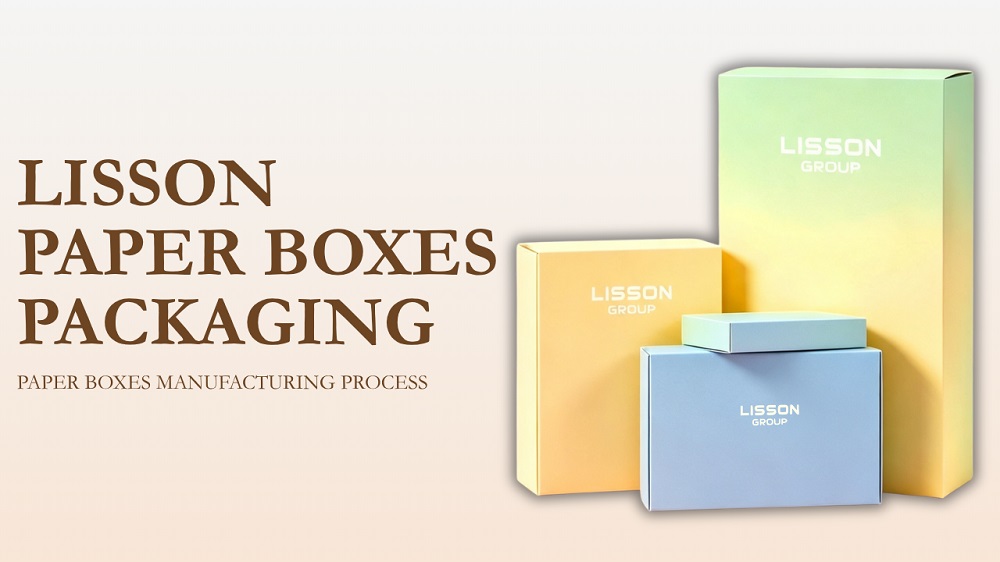
บรรจุภัณฑ์กระดาษรองทำหน้าที่เป็นจุดสัมผัสทางกายภาพแรกเริ่มระหว่างการซื้อสินค้าปลีกและการแกะกล่องสินค้าจากอีคอมเมิร์ซ นอกเหนือจากการปกป้องภาชนะบรรจุหลักที่เปราะบางระหว่างการขนส่งแล้ว กล่องกระดาษคุณภาพสูงยังสื่อสารคุณค่าของแบรนด์และความยั่งยืนโดยตรงแก่ผู้บริโภค
การผลิตโครงสร้างและการตกแต่งงานพิมพ์
ผ่านบริการการปรับแต่งของเรา เราออกแบบบรรจุภัณฑ์รองแบบกำหนดเองให้เป็นไปตามมาตรฐานทางเทคนิคที่เข้มงวด:
- วัสดุฐานที่ได้รับการรับรอง FSC:เราทำงานร่วมกับกระดาษแข็งพับขึ้นรูปบริสุทธิ์ (FBB) กระดาษคราฟท์สีขาวและสีน้ำตาล แผ่นลูกฟูกแบบลอนที่ไม่ฟอกขาว และแกนกระดาษแข็งสีเทาที่รีไซเคิล 100%
- การตัดไดคัตและการติดกาวแบบอัตโนมัติ:เครื่องตัดไดคัตความเร็วสูงและสายการพับติดกาวช่วยให้เกิดรอยพับที่แม่นยำ ขอบที่เรียบร้อย และรอยต่อที่มั่นคงสำหรับกล่องพับ กล่องฝาแม่เหล็ก และกล่องลิ้นชักแบบเลื่อนออก
- แผ่นรองป้องกัน:ถาดเยื่อกระดาษขึ้นรูปอย่างแม่นยำ แผ่นกั้นกระดาษแข็งตัดไดคัตตามแบบ และแผ่นโฟม EVA ช่วยยึดขวดแก้วหลักหรือหลอดบีบให้อยู่กับที่อย่างมั่นคงระหว่างการขนส่ง
- การตกแต่งพื้นผิว:การพิมพ์ออฟเซ็ตความละเอียดสูงด้วยหมึกถั่วเหลือง การปั๊มนูนและปั๊มจมหลายระดับ การเคลือบ UV เฉพาะจุด การเคลือบลามิเนตแบบสัมผัสนุ่ม และการปั๊มฟอยล์ร้อนอย่างแม่นยำ
แอปพลิเคชันที่แนะนำ
กล่องนำเสนอน้ำหอม ชุดผลิตภัณฑ์ดูแลผิว กล่องวางสินค้าบนชั้นวางสำหรับหลอดบีบและขวดแบบหยด รวมถึงบรรจุภัณฑ์กล่องส่งประชาสัมพันธ์สำหรับอินฟลูเอนเซอร์
การเปรียบเทียบประสิทธิภาพของวัสดุและบรรจุภัณฑ์
ตารางด้านล่างสรุปคุณสมบัติสำคัญด้านวิศวกรรมและความยั่งยืนของหมวดหมู่ผลิตภัณฑ์ทั้งเจ็ดของเรา เพื่อช่วยให้คุณเลือกรูปแบบบรรจุภัณฑ์ที่เหมาะสมที่สุด:
| หมวดหมู่บรรจุภัณฑ์ | การป้องกันการซึมผ่าน | โปรไฟล์ความสามารถในการรีไซเคิล | โปรไฟล์น้ำหนัก | ข้อได้เปรียบหลัก |
|---|---|---|---|---|
| ขวดแก้ว | สมบูรณ์ (เฉื่อยต่อก๊าซและน้ำมัน) | รีไซเคิลได้ 100% ไม่จำกัดจำนวนครั้ง | หนัก | สัมผัสหรูหราและมีความเป็นกลางทางเคมี |
| หลอดอะลูมิเนียม | สมบูรณ์ (อากาศ รังสี UV และความชื้น) | รีไซเคิลได้ 100% ไม่จำกัดจำนวนครั้ง | น้ำหนักเบา | ยุบตัวได้โดยไม่มีการดูดอากาศกลับ |
| ขวดพลาสติก | ปานกลางถึงสูง (EVOH แบบร่วมอัดรีด) | มี PCR (PET, HDPE, PP) | น้ำหนักเบามาก | ทนทานต่อการแตกและมีรูปทรงหลากหลาย |
| ขวดอะลูมิเนียม | สมบูรณ์ (รังสี UV และความชื้น) | รีไซเคิลได้ 100% ไม่จำกัดจำนวนครั้ง | น้ำหนักเบา | โครงสร้างโมโนบล็อกไร้รอยต่อสำหรับร้านเสริมสวยและผลิตภัณฑ์สเปรย์ |
| ถุงฟิล์ม | สูง (ชั้นกั้นแบบฟอยล์หลายชั้น) | ตัวเลือกวัสดุ PE/PP ชนิดเดียว | น้ำหนักน้อยที่สุด | ลดการใช้พอลิเมอร์ดิบและปริมาตรการขนส่ง |
| หลอดเครื่องสำอาง | ปานกลางถึงสูง (ABL/PBL/EVOH) | ตัวเลือก PE จากอ้อยและ PCR | น้ำหนักเบามาก | ปลายสำหรับนวดแบบรวมในตัวและการจ่ายปริมาณที่แม่นยำ |
| กล่องกระดาษ | การป้องกันทางกายภาพจากการตกกระแทกและแสง | ย่อยสลายได้และรีไซเคิลได้ 100% | พับเก็บแบบแบนได้ | การเล่าเรื่องของแบรนด์และความปลอดภัยระหว่างการขนส่ง |
มาตรฐานการผลิต OEM/ODM และการประกันคุณภาพ
การแปลงแนวคิดบรรจุภัณฑ์ให้เป็นการผลิตจำนวนมากจำเป็นต้องมีการควบคุมการผลิตอย่างเข้มงวด เพื่อให้มั่นใจว่าทุกล็อตสามารถดำเนินการได้อย่างราบรื่นบนสายการบรรจุอัตโนมัติ โปรโตคอลการควบคุมคุณภาพของโรงงานของเราประกอบด้วย:
- การทดสอบการรั่วด้วยสุญญากาศ:ภาชนะบรรจุและชุดปั๊มผ่านการทดสอบอย่างเข้มงวดในห้องสุญญากาศ เพื่อรับประกันความสมบูรณ์ของซีลภายใต้การเปลี่ยนแปลงของแรงดันระหว่างการขนส่งทางอากาศและทางทะเล
- การทดสอบความคงตัวของสูตรและการอบ:ภาชนะบรรจุหลักผ่านการทดสอบความเข้ากันได้แบบเร่งรัด (45°C–50°C เป็นเวลา 12 สัปดาห์) กับสูตรผลิตภัณฑ์จำนวนมากของลูกค้า เพื่อยืนยันว่าไม่มีการบวม การเคลื่อนย้ายของสาร หรือการหลุดลอกของสารเคลือบภายในเกิดขึ้น
- การทดสอบแรงบิดและการตกกระแทก:เครื่องวัดแรงบิดอัตโนมัติตรวจสอบการติดตั้งและแรงต้านในการถอดฝา ขณะที่การทดสอบการตกกระแทกตามมาตรฐานยืนยันว่าขวด กล่อง และฝาปิดสามารถทนต่อแรงกระแทกระหว่างการกระจายสินค้าในร้านค้าปลีกได้
คำถามที่พบบ่อยเกี่ยวกับการจัดหาบรรจุภัณฑ์เครื่องสำอาง
คุณป้องกันการเกิดปฏิกิริยาของสูตรกับหลอดและขวดอะลูมิเนียมอย่างไร?
สำหรับบรรจุภัณฑ์อะลูมิเนียมทั้งหมด เราใช้การพ่นเคลือบภายในแบบอัตโนมัติด้วยเรซินเคลือบอีพ็อกซี-ฟีนอลิกเกรดอาหาร หรือ BPA-NI (BPA Non-Intent) เมื่อผ่านการอบให้แข็งตัวในเตาอุณหภูมิสูงแล้ว ชั้นป้องกันแบบเชื่อมขวางนี้จะแยกสูตรที่มีความเป็นกรด เป็นด่าง หรือมีสารลดแรงตึงผิวสูงออกจากผนังโลหะได้อย่างสมบูรณ์
วัสดุบรรจุภัณฑ์ที่ยั่งยืนชนิดใดที่พร้อมใช้งานสำหรับการผลิต?
เรามีตัวเลือกที่ยั่งยืนผ่านการตรวจสอบหลายประเภท ได้แก่ พลาสติกรีไซเคิลหลังการบริโภค (PCR HDPE, PET และ PP ตั้งแต่ 10% ถึง 100%) โพลีเอทิลีนจากอ้อยชีวภาพ หลอดและขวดอะลูมิเนียมที่รีไซเคิลได้ 100% ซองแบบยืดหยุ่นที่รีไซเคิลได้จากวัสดุชนิดเดียว และบรรจุภัณฑ์กระดาษแข็งรองที่ได้รับการรับรอง FSC
ระยะเวลาการผลิตแม่พิมพ์แบบกำหนดเองและการผลิตจำนวนมากโดยทั่วไปใช้เวลานานเท่าใด?
โดยทั่วไปการพัฒนาแม่พิมพ์แบบกำหนดเองใช้เวลา 20 ถึง 28 วันทำการ โดยมีตัวอย่างทางวิศวกรรม T1 จัดส่งภายใน 7 วันหลังจากการทำแม่พิมพ์เสร็จสิ้น หลังจากได้รับการอนุมัติตัวอย่างก่อนการผลิต ระยะเวลาการผลิตจำนวนมากโดยทั่วไปอยู่ระหว่าง 25 ถึง 35 วันทำการ ขึ้นอยู่กับความซับซ้อนของการตกแต่งพื้นผิว