



What Should Brands Check Before Approving a Cosmetic Tube Pre-Production Sample?

เราเป็นโรงงานผลิตบรรจุภัณฑ์เครื่องสำอางแบบครบวงจร ที่มีประสบการณ์ยาวนานกว่า 20 ปีในการผลิตหลอดเครื่องสำอางแบบสั่งทำพิเศษ เช่น หลอดบีบ หลอด ABL หลอด PBL หลอดปั๊มไร้ลม หลอดลิปกลอส และหลอดบำรุงผิว พีซีอาร์ (รีไซเคิลจากวัสดุเหลือใช้หลังการบริโภค) ) หลอด เป็นต้น
Approving a cosmetic tube pre-production sample is an important step before moving into mass production. A tube may look attractive in a digital design or initial prototype, but the actual sample needs to meet the brand's requirements for appearance, dimensions, material performance, dispensing, sealing, and filling compatibility.
For skincare, sunscreen, makeup, and personal care brands, even small packaging differences can affect the final product experience. An incorrectly fitted cap, inconsistent printing color, or unsuitable tube opening may create problems during filling, transportation, or daily use.
So, what should brands check before approving a cosmetic tube pre-production sample? The following checklist covers the main points that purchasing teams, packaging developers, and quality control professionals should review before giving production approval.
Confirm That the Sample Matches the Approved Design
The first step is to compare the physical sample with the approved artwork, technical drawing, and original packaging requirements. Do not rely only on product photographs or 3D renderings, because these may not show every structural detail accurately.
Check the following design elements:
- Tube shape, diameter, length, and overall proportions.
- Shoulder structure and connection between the tube body and cap.
- Cap shape, color, dimensions, and decorative details.
- Position and orientation of the logo and printed information.
- Overall appearance compared with the approved design file.
Pay particular attention to custom shapes and special closures. If the project involves a unique tube structure, the physical sample should reflect the approved design rather than an approximate interpretation.
For brands developing a new packaging concept, custom cosmetic tube design and development services can help connect structural design, component selection, and manufacturing requirements before production begins.
Check Tube Dimensions and Filling Capacity
Dimensions directly affect how much product the tube can hold and whether it can run smoothly on the brand's filling equipment. A sample that looks correct externally may still have differences in internal volume or component measurements.
Brands should measure and verify:
- Tube diameter and overall length.
- Wall thickness and shoulder dimensions, where specified.
- Actual filling capacity and usable internal volume.
- Opening diameter and dispensing nozzle dimensions.
- Cap height, thread dimensions, and closure fit.
Capacity should also be evaluated using the actual cosmetic formula. The nominal volume printed on the packaging does not automatically guarantee that the tube will accommodate the required filling quantity under real production conditions.
For example, a sunscreen brand ordering a 50ml tube should confirm that the sample can accommodate the intended filling quantity while maintaining enough space for proper tail sealing and consistent packaging appearance.
For different tube profiles and capacity requirements, brands can also review custom oval shape cosmetic tube packaging as a reference for evaluating dimensions, capacity, and structural design.

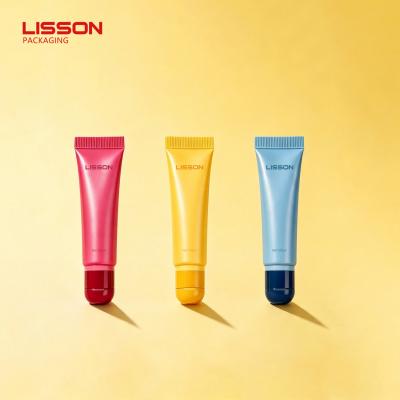
Cosmetic tube sample showing tube structure, dispensing opening, and decorative cap.
Evaluate Material Quality and Formula Compatibility
The tube material should be suitable for the cosmetic formula, not just the desired appearance. Different materials offer different levels of flexibility, barrier protection, and resistance to environmental conditions.
Common cosmetic tube material options include:
- PE (Polyethylene): Flexible and suitable for many skincare, hand cream, cleanser, and personal care products.
- ABL (Aluminum Barrier Laminate): Combines a laminated structure with an aluminum barrier layer for applications requiring additional protection.
- PBL (Plastic Barrier Laminate): Provides barrier performance through a plastic-based laminated structure.
- PCR Plastic: Incorporates post-consumer recycled material to support packaging sustainability objectives.
- Sugarcane-Based Plastic: A bio-based material option for brands exploring alternative packaging materials.
During sample approval, inspect whether the tube material has consistent thickness, a smooth surface, and sufficient flexibility. Squeeze the tube gently to evaluate how it deforms and recovers. Also check whether the material feels appropriate for the product's positioning.
More importantly, brands should conduct compatibility testing with their actual formulas. Observe any changes in color, odor, texture, or packaging condition during an agreed testing period. Formula compatibility should be evaluated based on the specific material structure and product composition.
Brands considering different material structures can explore cosmetic tube packaging options from Function Packaging to compare available packaging directions.
Inspect Printing Quality, Color Accuracy, and Surface Finish
Packaging is often the first physical interaction customers have with a beauty product. Printing defects, uneven coatings, or color differences can make an otherwise well-designed tube look less professional.
Before approving the sample, examine the decoration under consistent lighting conditions. Compare the printed sample against the approved artwork and Pantone color references where applicable.
Important inspection points include:
- Logo size, position, alignment, and readability.
- Text clarity and spelling of product information.
- Color consistency across different areas of the tube.
- Printing adhesion and resistance to rubbing.
- Hot stamping alignment and metallic finish quality.
- Glossy, matte, frosted, or soft-touch surface consistency.
- Visible scratches, bubbles, stains, or coating defects.
For multicolor designs, gradients, and metallic decoration, brands should pay attention to how the final printed sample looks rather than relying entirely on screen previews. A slight difference in color or finish can change the overall visual impression of premium cosmetic packaging.
It is also useful to inspect multiple samples when possible. This helps determine whether the decoration quality is consistent rather than relying on a single good-looking piece.
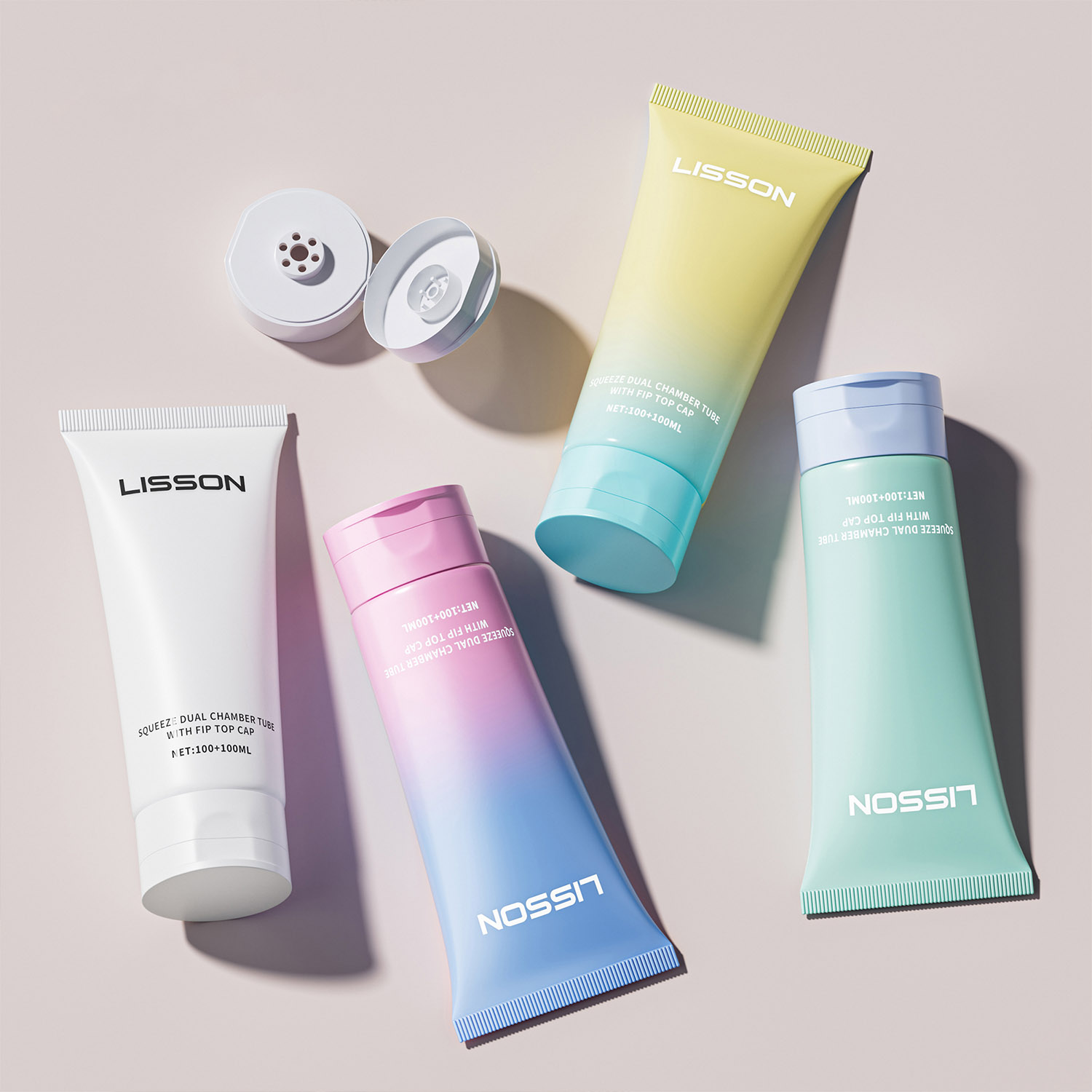
Customized cosmetic squeeze tubes with different colors and cap designs.
Test Cap Fit, Sealing Performance, and Leakage Resistance
A cosmetic tube needs to remain securely closed during storage, transportation, and daily use. Even a visually perfect sample should not be approved without checking the closure and sealing performance.
Brands should examine how the cap connects to the tube. For screw caps, check whether the threads engage smoothly without excessive force or looseness. For flip-top caps, inspect the hinge, snap closure, and opening mechanism.
Practical tests may include:
- Opening and closing the cap repeatedly to check its operation.
- Checking whether the cap remains securely attached during handling.
- Inspecting the sealing area for gaps or visible defects.
- Filling the tube with the intended formula and checking for leakage.
- Performing appropriate storage and transportation simulation tests.
- Checking whether the dispensing opening closes properly after use.
Testing should reflect the actual packaging structure and formula characteristics. For example, a thin lotion and a thick cleansing cream may behave differently when the tube is squeezed or stored in different positions.
For smaller sample and travel-size packaging, a PE cosmetic tube with valve flip-top cap is one example of a structure designed with controlled dispensing and leakage prevention in mind.
Evaluate Dispensing Performance With the Actual Formula
A tube should dispense the cosmetic formula comfortably and consistently. A packaging sample may pass a visual inspection but still create problems when consumers use the product.
During testing, fill the sample with the actual formula or a representative test material with similar viscosity. Then check:
- Whether the formula comes out smoothly when the tube is squeezed.
- Whether excessive pressure is needed for dispensing.
- Whether the opening is suitable for the formula's thickness.
- Whether the product leaks or continues flowing after dispensing.
- Whether the tube can be emptied without excessive product residue.
- Whether the dispensing experience remains consistent during repeated use.
Different cosmetic products require different dispensing structures. Facial creams may need a controlled opening, while sunscreen and body lotions may benefit from a wider outlet or a specialized applicator.
If the product requires a massage or targeted application function, brands should also test the applicator's contact surface, dispensing control, and ease of cleaning. The packaging should work naturally with the formula and intended method of application.
Confirm Compatibility With the Filling and Sealing Process
Pre-production sample approval should involve more than the marketing or design team. The packaging must also be suitable for the equipment and processes used in actual manufacturing.
Brands working with automatic filling lines should confirm the tube dimensions, positioning requirements, filling opening, and tail-sealing specifications with their packaging supplier and filling partner.
Key questions include:
- Can the tube be positioned correctly on the filling machine?
- Does the tube opening match the filling nozzle?
- Can the required filling volume be achieved consistently?
- Is the tube material suitable for the selected sealing method?
- Does the tail sealing process produce a clean and secure seal?
- Can the packaging maintain its appearance after filling and sealing?
A sample that works well when filled manually may not necessarily perform the same way on an automated production line. Where possible, brands should arrange a filling trial using the intended equipment before approving the final packaging structure.
This is especially important for large production orders, where an unrecognized compatibility issue can result in filling delays, rejected packaging, or additional costs.
Review Sample Consistency and Manufacturing Details
One approved sample does not automatically mean every production unit will look and perform the same. Brands should understand which specifications are controlled during manufacturing and how product quality will be checked.
Ask the supplier to clarify the following:
- Which material and component specifications will be used for mass production?
- What dimensional tolerances apply to the tube and cap?
- How will printing and color consistency be controlled?
- What inspection procedures will be used during production?
- How will defective or non-conforming products be handled?
- Will the approved sample be retained as a quality reference?
It is good practice to keep an approved, signed or otherwise clearly identified reference sample. The final artwork, technical drawings, material specifications, and inspection criteria should also be documented.
This provides both the brand and manufacturer with a common reference when reviewing mass production quality.
Create a Clear Pre-Production Sample Approval Checklist
Before giving final approval, brands can use a simple checklist to make sure the important packaging requirements have been reviewed by the relevant teams.
| Inspection Area | What to Confirm |
|---|---|
| Design | Shape, structure, artwork, and overall appearance |
| Dimensions | Diameter, length, capacity, and opening size |
| Materials | Material specifications, flexibility, and formula compatibility |
| Decoration | Logo, printing, color accuracy, and surface finish |
| Closure | Cap fit, opening mechanism, and leakage resistance |
| Dispensing | Formula flow, dispensing control, and product residue |
| Filling | Filling equipment and tail-sealing compatibility |
| Quality Control | Sample consistency, tolerances, and approved reference sample |
If any item does not meet the agreed specifications, brands should record the issue and request a corrected sample before approving mass production. Changes made after sample approval should also be reviewed and documented to avoid misunderstandings.
Why Pre-Production Sample Approval Matters for Cosmetic Brands
Pre-production sample approval is not simply a final appearance check. It is an opportunity to identify packaging issues before they affect a large manufacturing order.
A thorough review helps brands reduce the risk of incorrect dimensions, printing inconsistencies, closure problems, formula incompatibility, and filling difficulties. It also gives purchasing teams, product developers, and packaging manufacturers a clear understanding of the specifications expected during mass production.
At Function Packaging, cosmetic tube development involves more than selecting a tube shape. Material selection, structural design, cap configuration, decoration, sampling, and manufacturing requirements all need to work together. With customized cosmetic packaging solutions, brands can develop packaging that reflects their visual identity while meeting practical production and product-use requirements.
Whether you are developing a new skincare line, sunscreen packaging, or personal care products, reviewing the pre-production sample carefully is an important step toward a smoother production process.
Frequently Asked Questions About Cosmetic Tube Pre-Production Samples
What is a cosmetic tube pre-production sample?
A cosmetic tube pre-production sample is a physical packaging sample made before mass production. It is used to verify the tube's dimensions, materials, appearance, printing, closure structure, and functional performance against the approved specifications.
Should brands test the actual cosmetic formula in the sample?
Yes. Testing with the actual formula is recommended because viscosity, chemical composition, and product behavior can affect material compatibility, dispensing performance, and leakage resistance. Appropriate compatibility testing should be completed before final approval.
How many cosmetic tube samples should a brand check before approval?
There is no universal number for every project. The required sample quantity depends on packaging complexity, production risks, and the brand's quality requirements. Checking multiple samples is helpful for evaluating consistency rather than relying on one individual unit.
Can brands request changes after receiving a pre-production sample?
Yes. Brands can request adjustments to dimensions, cap design, materials, printing, colors, or other packaging details. The manufacturer should confirm the changes and provide an updated sample when necessary before mass production approval.
What happens after a cosmetic tube sample is approved?
After approval, the manufacturer can proceed according to the confirmed production specifications and agreed quality requirements. The approved sample, artwork, and technical documents should be retained as references for mass production inspection.
Why should filling tests be included in sample approval?
Filling tests help confirm that the tube works with the intended filling equipment, product viscosity, filling volume, and sealing process. They can identify practical production issues that may not be visible during a simple visual inspection.